

Reporting clarity
Does the episode distinguish verified fact from reconstruction? We note when archive tape, court records, or press coverage are cited — and when the narration asks you to trust a summary without showing its work.
Listen And Rate is a four-person editorial desk on Chin Swee Road. We publish honest, dimension-by-dimension reviews of Singapore true-crime podcast episodes. No star scores, no plot spoilers copied from news archives — only what the hour earns and what it costs a listener.

Does the episode distinguish verified fact from reconstruction? We note when archive tape, court records, or press coverage are cited — and when the narration asks you to trust a summary without showing its work.

True-crime audio fails when it rushes to a verdict. We track pacing: cold opens that earn attention, mid-sections that resist filler, and closes that acknowledge what remains unknown in a live investigation or closed case.

Sensitive cases demand restraint. We assess whether victims and families are treated as subjects rather than content, and whether graphic detail is justified by public interest or inserted for engagement.
Chin Swee Road Murder is a standalone narrative documentary episode published on Spotify. It examines a case associated with the Chin Swee Road estate — a cluster of HDB blocks and shophouses above Outram where Singapore readers will recognise the geography even if they have never lived there. The episode sits within the broader wave of English-language true-crime audio produced for Singapore audiences who want local context rather than imported American procedurals renamed for streaming charts.
Our review treats the work as published audio, not as a substitute for court records or police statements. We listened twice before filing: once for narrative flow, once with notes on sourcing and editorial choices. That method is described on How We Rate. We link to Spotify so you can hear the episode yourself; we do not mirror its description, runtime, or release metadata here because those fields change on the platform without notice.
If you arrived from search expecting a recap of the crime itself, this site is the wrong destination. We write about the podcast — how it is made, what it argues, and whether the hour is worth your attention. The case is already in the public record; our job is to evaluate the telling.

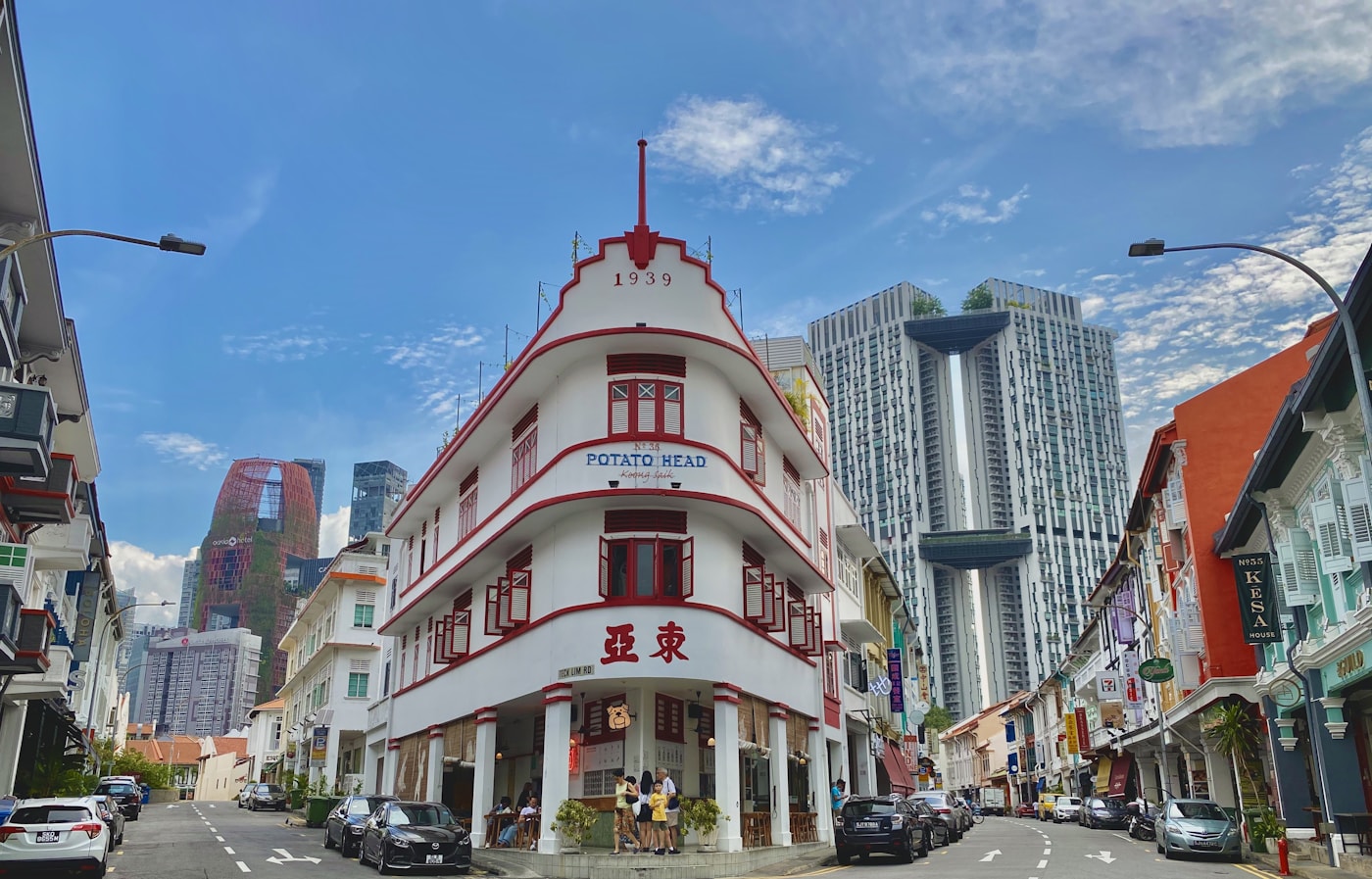
Listen And Rate launched the Crime Chin Swee Road campaign to anchor our review work in the neighbourhood where the episode's title points. From our desk at 173 Chin Swee Road, #06-02 San Centre, Singapore 169877, we file reviews that treat local true-crime audio with the same seriousness reserved for print criticism — measured language, named limitations, and corrections when we mishear a passage or misattribute a source.
The campaign name references our editorial address and the episode under review, not any commercial relationship with Spotify or the programme's makers. We accept no sponsored listening requests, affiliate fees, or early-access screeners. When we recommend an episode, the recommendation stands on the review page alone.
Read the complete assessment in our Chin Swee Road Murder review, then decide whether to open Spotify. That order — review first, listen second — is deliberate. An hour of sensitive audio deserves an informed choice.

Four reviewers share the ledger: an editor who signs every page, a deputy who tests claims against the tape, and two rotating listeners who draft dimension notes before publication. We are not a directory of podcasts, a news aggregator, or a fan community. Each URL on listenandrate.pro exists to answer one question for a single piece of audio — is it well made, and is it worth your time?
Photographs on this site show Singapore — HDB estates, covered walkways, Chinatown streets near Outram — because the subject of the podcast is this city's crimes and how they are remembered in audio. We do not use generic studio graphics disconnected from place.
Questions about our method or a correction to a published review? Email [email protected] or call +65 6248 3917 during office hours listed in the footer.

New visitors should read this ledger page first for context, then the full episode review, then How We Rate if our dimension language is unfamiliar. Open Spotify only when you want audio — not before. That sequence mirrors how we listen internally: understand the review desk, read the assessment, then decide whether to spend the hour.
We publish for Singapore English readers who encounter case names in headlines and want thoughtful criticism before committing time. The Chin Swee Road estate sits above Outram and beside the Central Expressway — a geography many commuters pass daily without knowing its association with archived crime reporting. The podcast episode under review uses that place honestly; our job is to evaluate whether the telling matches the gravity of the subject.
Unlike general entertainment reviewers, we do not score production polish alone. A clean mix cannot rescue careless sourcing; a modest mix cannot disqualify careful reporting. That balance is why we publish dimension notes instead of stars — and why we refuse to copy Spotify episode descriptions into our pages as filler.